$400 Cheaper: Are You Willing to Live with the Limitations?
 Photo by Monstera Production on Pexels
The Xiaomi 17 Ultra is generating serious hype. The expected price for the official Global Version hovers around $1,500. However, the China version can be imported for around $1,100.
That’s a $400 difference. Highly tempting, right?
If your first thought was, “I’ll just buy the cheaper China model and flash the Global ROM,” stop right there.
For the Xiaomi 17 generation (running HyperOS 2.0 and later), that traditional importing shortcut is essentially dead.
If you’re considering taking the plunge, here is an essential breakdown of the latest importing rules and risks you must know before dropping a grand on a Chinese flagship.
1. Bad News: Flashing the Global ROM is Dead
 Photo by Brett Jordan on Pexels
Image from Pixabay
This is the biggest hurdle. The “Bootloader Unlock” (BLU) process, which used to be straightforward, is now extremely difficult—if not impossible—for international users.
Xiaomi now requires a bureaucratic gauntlet for BLU:
- Condition 1: You must have a Level 5 or higher account on the official Xiaomi Community (China).
- Condition 2: Authentication requires genuine Chinese real-name verification (a foreign passport generally doesn’t work; local identification is often mandatory).
- Condition 3: A mandatory waiting period of 30+ days after application.
While some resellers might sell “pre-unlocked” devices, this often compromises security levels (specifically Widevine L1), meaning you lose the ability to stream HD content on Netflix, Disney+, and Prime Video.
For most enthusiasts, using the device with the stock Chinese ROM is currently the only feasible option.
2. What You Lose on the Chinese ROM (The Dealbreakers)
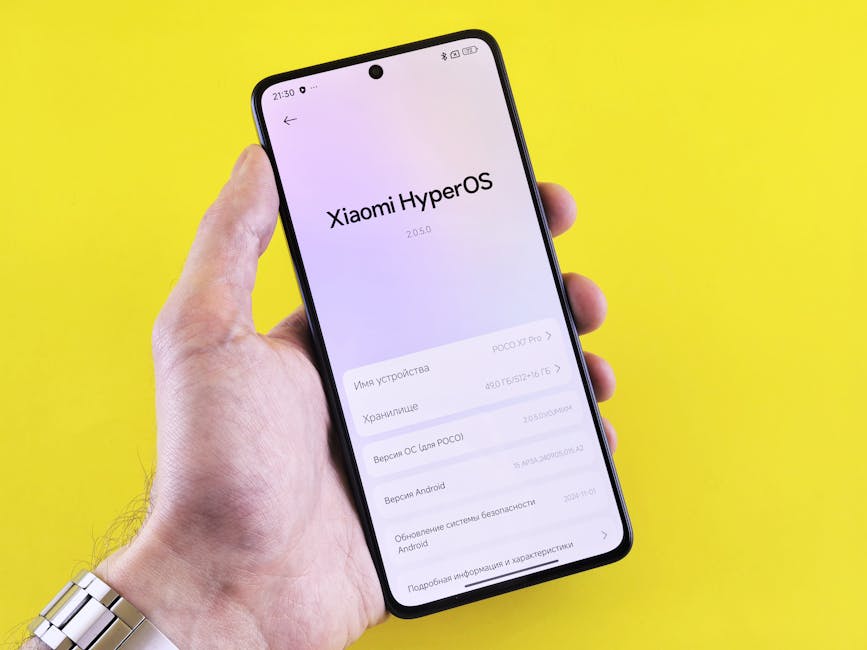 Photo by Andrey Matveev on Pexels
Okay, so you decide to stick with the Chinese ROM. Are you ready for these major limitations in the US market?
- Android Auto is Unavailable: The functionality to mirror your phone screen to your car’s head unit for navigation (a basic feature in the US) is completely removed from the Chinese version of the OS. Google Maps only works directly on the phone screen.
- Notification Chaos: China ROMs include aggressively optimized power-saving features. This means notifications for critical apps like Gmail, WhatsApp, and Discord are often delayed or simply do not show up. You will spend hours fighting the settings menu just to get basic push notifications working reliably.
- Partial Google Restrictions: While Google Pay (tap-to-pay) usually works on many imported models, core voice assistant features like “OK Google” and integration with Google’s Gemini platform can be unstable or non-functional.
3. So, Is Importing Ever Worth It?
I’ve listed serious flaws, but here’s why some (myself included) will still choose to import the device:
- The Aggressive Price: Saving $400 is enough money to buy an excellent mid-range second device or accessories.
- Access to Cutting-Edge Features: New HyperOS features and updates always land on the China version first. If you want to be on the bleeding edge of Xiaomi software, this is how you do it.
- Identical (or Superior) Hardware: The underlying hardware is the same as the Global version, and sometimes, the China model gets “reverse discrimination” perks—like a slightly larger battery capacity—not found on the global release.
4. Where to Buy (If You Must)
If you have decided the risks are worth the reward, stick to reputable, established importers known for quality support:
- TradingShenzhen: Excellent reputation, meticulous packing, and often offers an optional tariff/customs compensation service. (Note: Support is usually in English/German, not Japanese or Chinese.)
- Giztop: Focused on speed. If you need the phone days after its release, Giztop is often the fastest option.
- Wonda Mobile: Slightly pricier, but their customer service quality is considered top-tier among importers.
CRITICAL WARNING: Avoid anonymous sellers on platforms like AliExpress. They frequently sell devices with “Fake Global ROMs” (also known as “Shop ROMs”). These heavily modified operating systems are unstable, buggy, and will never receive official updates.
The Takeaway: You Pay for Peace of Mind
If you are buying the China version just because it is cheaper, you will quickly become frustrated by the required troubleshooting and setup complexity.
Unless you are an “enthusiast masochist”—someone who enjoys tinkering, doesn’t mind an English UI, and views setup guides as a personal challenge—you should wait patiently for the official US or Global release.
That $400 price difference? Consider it the premium you pay for a phone that simply works out of the box.