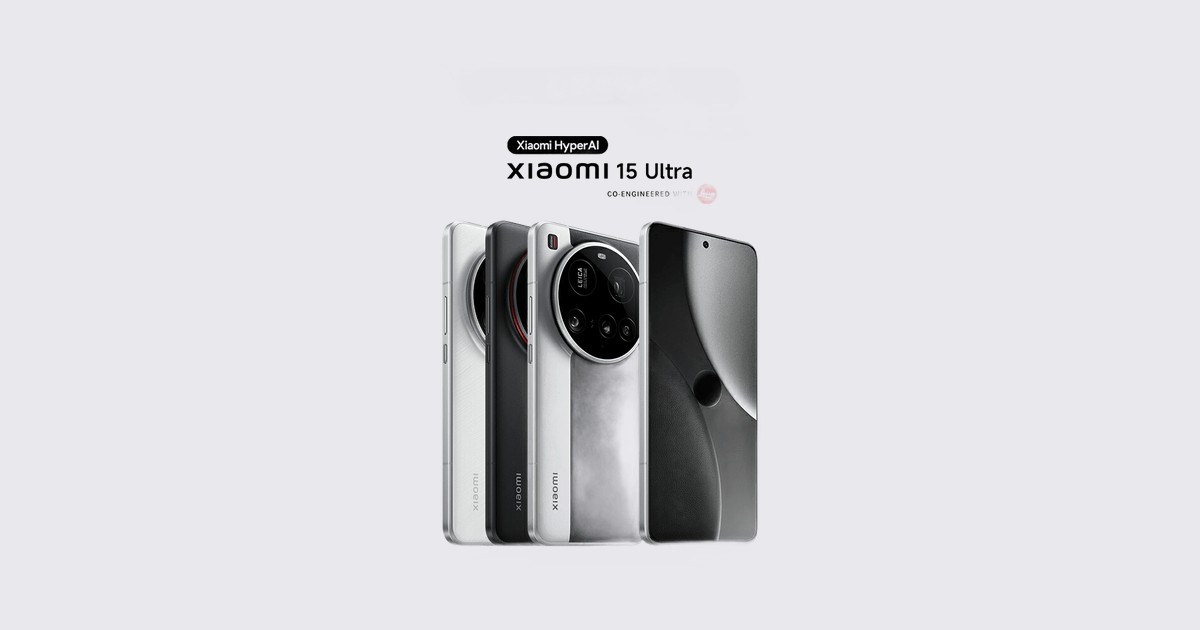
The Android Camera Wars: Preparing for 2026
 Photo by Vietnam Hidden Light on Pexels
Are you truly satisfied with the camera in your pocket?
For years, we’ve heard the refrain, “Smartphones have replaced the point-and-shoot camera.” But Xiaomi’s Ultra series has consistently tried to replace the high-end compact camera. They push the boundaries of physics and optics yearly, positioning themselves as the ultimate spec sheet champions, often beating Samsung’s Galaxy Ultra line in raw lens firepower.
Now, we are looking ahead to 2026, where the rumored Xiaomi 16 Ultra (or potentially the 17 Ultra) is set to redefine mobile imaging yet again.
As US tech enthusiasts, the question is always the same: Will this device be worth the hassle of importing?
Based on leaks and historical trends, we’re doing a deep dive—a highly speculative, long-term review—on what it would be like to use the Xiaomi 16 Ultra for a full year. If these rumors hold true, prepare to start saving now.
Naming Strategy: Playing Catch-Up or Setting the Pace?
 Photo by Vietnam Hidden Light on Pexels
Before diving into the serious specs, let’s address the elephant in the rumor room: the naming convention.
To strategically challenge competitors like the supposed iPhone 17, whispers suggest Xiaomi might skip a number and launch directly as the Xiaomi 17 Ultra. While the name might change, the mission remains the same: deliver absolute, uncompromising hardware superiority. For now, we’ll stick to 16 Ultra as the placeholder.
Beyond the internals, we anticipate two major improvements that long-term users will appreciate:
- Refined Design Language: The camera bump on previous Ultra models has been massive, sometimes cumbersome. We expect a more integrated and aesthetically pleasing solution.
- Weight Reduction: The 14 and 15 Ultra devices felt substantial—heavy, even. Rumors point toward expanded use of titanium or other lightweight alloys to improve handling and make that 2026 flagship feel less like a brick.
The Quad-Camera Behemoth: Leica Enters Chapter Four
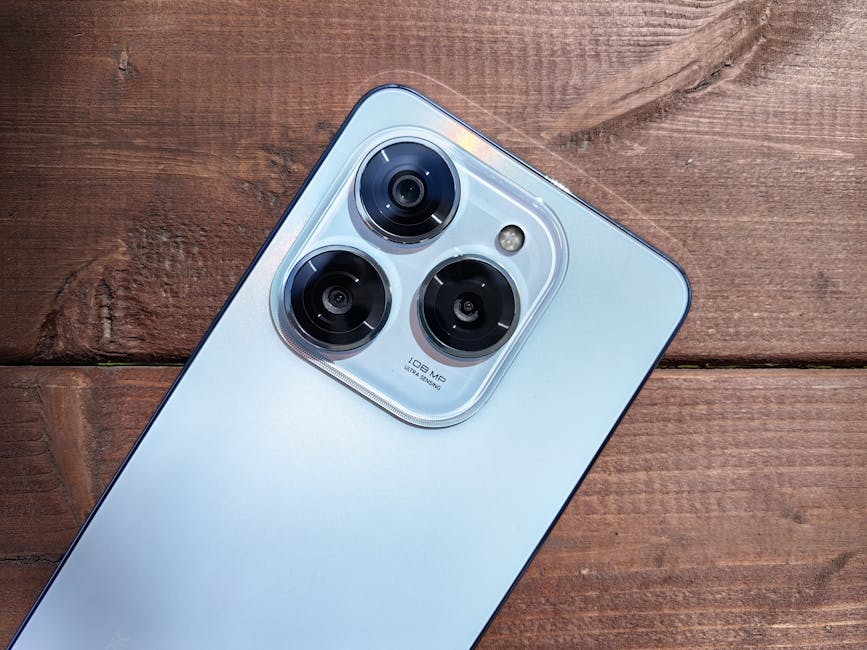 Photo by Andrey Matveev on Pexels
When you talk about Xiaomi’s flagships, you talk about Leica. The collaboration has matured into a sophisticated software and hardware partnership, and the 16 Ultra is expected to push this relationship into its fourth chapter.
The biggest headline feature is the evolution of the quad-camera system.
200 Megapixels: The Periscope Killer App
While specs are always fluid, one rumor stands out: the telephoto periscope lens might feature a 200-megapixel sensor.
If true, this completely changes the zoom game. While current 10x optical zoom lenses are great, a 200MP sensor means that even heavy digital cropping after 10x zoom could retain incredible detail. This isn’t just about taking pictures of the moon’s craters anymore—it’s about practical utility.
Imagine being able to:
- Take a concert photo from the nosebleeds and crop in to read the singer’s shirt slogan clearly.
- Snap a picture of a street sign or distant architecture and have the resolution to zoom in post-capture for reference-quality detail.
This level of detail moves the Ultra series out of the “great phone camera” category and firmly into the “replacement for high-powered, pocketable specialty cameras” bracket.
Performance: The Snapdragon 8 Gen 4 and the Age of AI
The heart of the Xiaomi 16 Ultra will undoubtedly be the Snapdragon 8 Gen 4 (perhaps branded as Elite 2).
While current processors are already blisteringly fast for gaming and everyday multitasking, the true measure of the SD 8 Gen 4 lies in its acceleration of On-Device AI. This is the key benefit for long-term use.
Cloud-based AI features are great, but the 8 Gen 4’s massive internal AI enhancements mean tasks that traditionally require a server will be handled instantly on the phone itself:
- Real-time, sophisticated translations: No network latency required.
- Advanced Video and Photo Manipulation: Think of ‘Magic Eraser’ (Pixel) capabilities, but applied to video or demanding, complex photo edits, executing instantaneously.
- Optimal Battery and System Management: The chip learns your usage patterns faster and more accurately, ensuring that even after 12 months, the OS isn’t laggy or bogged down by background processes.
This focus on efficient, high-speed on-device processing guarantees that the 16 Ultra won’t feel obsolete six months after you unbox it, offering a noticeable edge over older generation flagships.
The Range Anxiety Killer: Battery Specs We Dream Of
If the camera is the luxury feature, the battery is the quality-of-life upgrade we desperately need.
This is arguably the most exciting leak: thanks to advancements in silicon-carbon negative electrode technology, the Xiaomi 16 Ultra is rumored to house a massive battery—somewhere between 6,000mAh and a staggering 7,500mAh.
To put this into perspective, current Samsung Galaxy S Ultra phones hover around 5,000mAh, and iPhones are typically below that. A 6,000mAh+ battery combined with the presumed efficiency gains of the SD 8 Gen 4 chipset means a true two-day phone is finally within reach.
The potential lifestyle benefits are huge:
- Leave the house at 100% and return late at night still sitting comfortably above 40%.
- Forget packing a portable power bank for weekend trips.
- No more frantic searches for outlets when using demanding features like 4K video recording or heavy gaming.
For those of us currently tethered to a charger twice a day, this breakthrough alone makes the 16 Ultra a must-watch device.
The Import Calculation: Is the Spec-Sheet Worth the Price Tag?
It wouldn’t be a flagship discussion without addressing the inevitable downside: cost and availability.Xiaomi Ultra phones are premium, often competing head-to-head with the highest-end Galaxy models. Given the technical advancements rumored here—particularly the exotic camera hardware and massive battery—we can safely estimate that the Xiaomi 16 Ultra will retail globally in the range of$1,500 to $1,700 USD upon its release.
This puts it firmly in the “luxury gadget” tier, demanding a price higher than many high-end laptops.
For US buyers, the usual caveats apply:
- Price Premium: Importing these devices carries additional costs and sometimes customs hurdles.
- No Official US Support: You sacrifice carrier compatibility guarantees and official US warranties.
However, for the specific US tech enthusiast audience, this calculation often favors the hardware. If Xiaomi can deliver a device that drastically leapfrogs both the iPhone and the Galaxy in key areas like long-range photography and battery longevity, the import risks might be a small price to pay for the ultimate Android experience.
Conclusion: The Shape of Flagships to Come
The Xiaomi 16 Ultra is shaping up to be more than just an iterative update; it could be the device that finally stabilizes the modern smartphone, achieving true perfection in two critical areas: battery life and photographic reach.
If the technology surrounding the 200MP periscope and the 6,000mAh+ battery materializes, the 16 Ultra won’t just compete—it will potentially set a new, extremely high bar for what a premium flagship is expected to deliver.
The rumored global launch is expected around late February 2026. Start saving, because the future of Android looks incredibly powerful.