Introduction
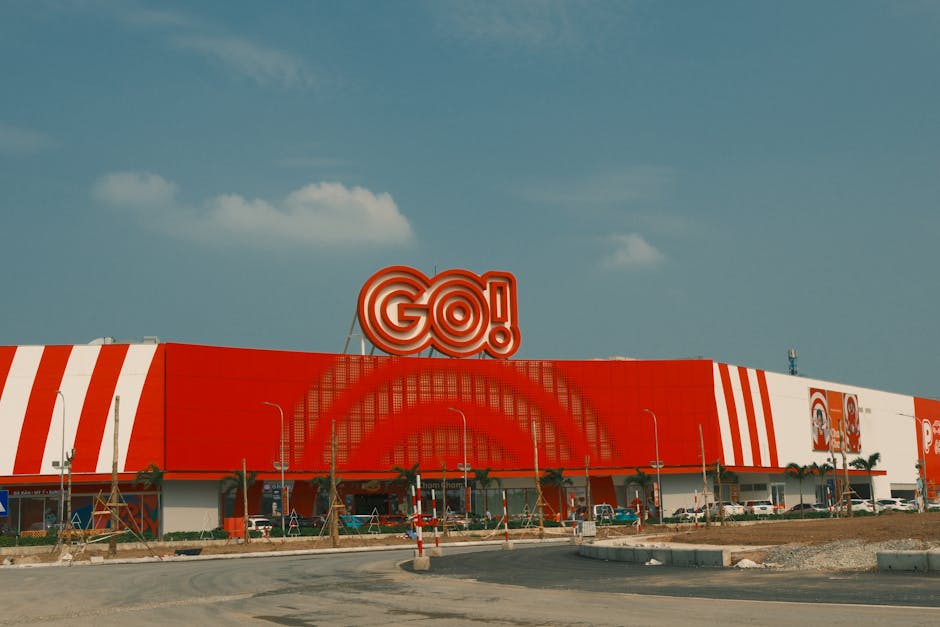 Photo by Erik Mclean on Pexels
In 2018, Amazon Go opened its doors with a simple promise: No lines. No checkout.
It felt like the future. Grab what you want, walk out, and your Amazon account gets charged automatically. Tech reviewers called it “magical.”
Fast forward to January 2026, and Amazon just announced it’s shutting down all Amazon Go and Amazon Fresh stores.
So… what happened? Was the whole thing a failure? Let’s break it down.
1. How “Just Walk Out” Technology Worked
 Photo by Jakub Zerdzicki on Pexels
Amazon’s system, called Just Walk Out, was genuinely impressive:
- Entry: You scan a QR code from your Amazon app to enter.
- Shopping: Hundreds of ceiling cameras and shelf sensors track your every move using computer vision and deep learning.
- Exit: Walk out. No scanning, no waiting. Your receipt arrives via email.
The technology combined AI, sensor fusion, and a whole lot of computing power to create a seamless experience.
2. Why Amazon Go Failed
 Photo by Jakub Zerdzicki on Pexels
Let’s be clear: the tech worked. But scaling it was a different story.
Problem #1: Insane Costs
Setting up a single Amazon Go store reportedly cost millions of dollars. Cameras, sensors, servers, AI infrastructure—it all adds up.
Expanding to full-size supermarkets? Economically impossible.
Problem #2: The AI Wasn’t Fully Autonomous
Here’s the dirty secret: humans were still watching.
Reports emerged that Amazon employed thousands of workers to manually review footage when the AI couldn’t figure out what happened. Multiple people grabbing items at once? Someone putting products in the wrong place? Humans had to sort it out.
So much for “fully automated.”
Problem #3: Customer Friction
Ironically, some customers hated not knowing their total until after leaving the store. Budget-conscious shoppers found it stressful.
The “magic” of checkout-free shopping came with a hidden cost: loss of control.
3. Where Cashier-Less Tech Actually Works
Here’s the thing: Amazon’s technology isn’t dead.
They’re still licensing “Just Walk Out” to other businesses. And it’s thriving in specific environments:
- Airports: Travelers in a rush love it.
- Stadiums and arenas: No more missing the game while waiting in line.
- Convenience stores: Small footprint, limited SKUs, perfect fit.
The lesson? Cashier-less works when speed is the priority and the product selection is limited.
4. What This Means for Retail
The Amazon Go shutdown isn’t the end of checkout-free shopping—it’s a reality check.
What we learned:
- Tech isn’t everything. If the economics don’t work, it doesn’t matter how cool it is.
- Customer experience > cutting labor. People want convenience, not confusion.
- Niche applications succeed. Airports, stadiums, and corporate cafeterias are the sweet spot.
Conclusion
Amazon Go’s closure marks the end of an era, but not the end of the idea.
The “Just Walk Out” dream lives on—just in smaller, more targeted formats.
If you ever find yourself in an airport or at a concert venue, keep an eye out for these checkout-free stores. The future is still there, just more humble than we expected.